Minimal Line Flower Embroidery Design
A Designer’s First Glance: Modern, Refined, and Instantly Recognizable
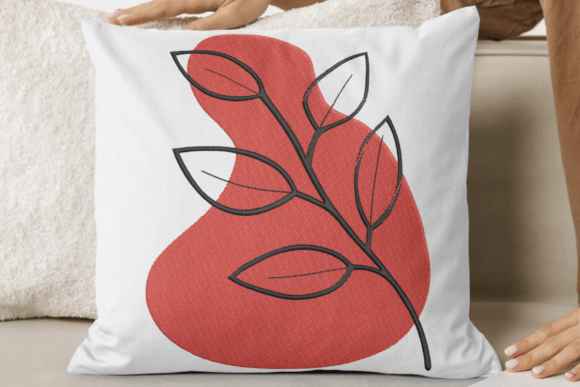
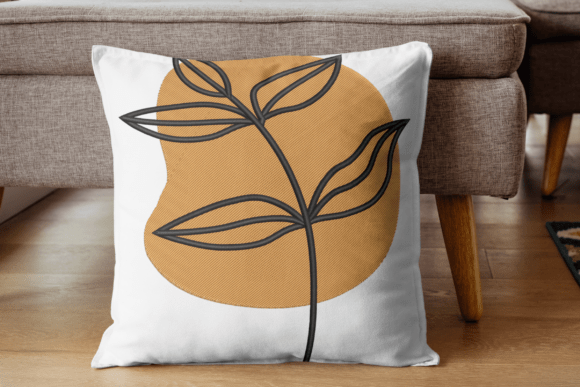
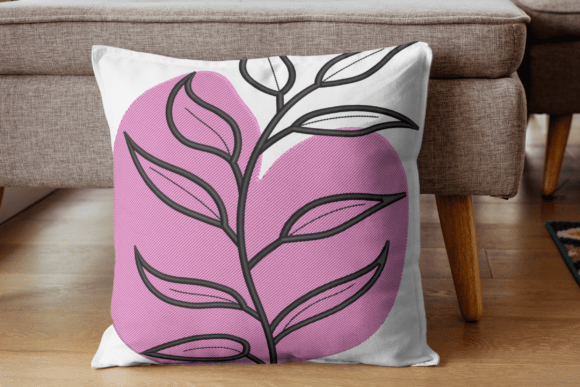
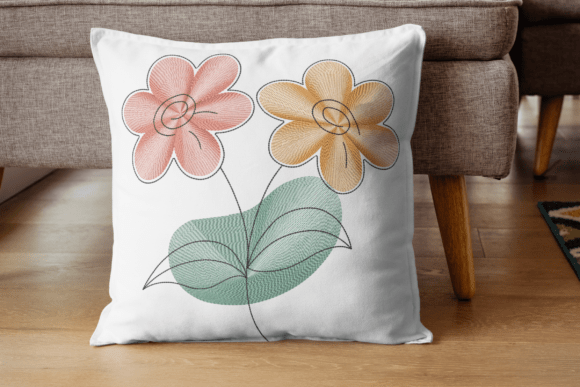
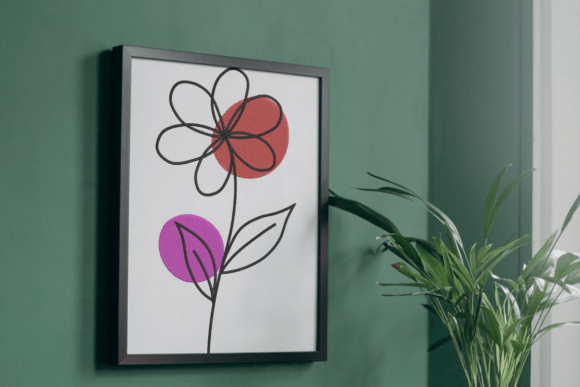
As someone who’s stitched over 300 craft fair booths—and watched thousands of shoppers slow down for one design and walk right past another—I can tell you: Minimal Line Flower Embroidery Design lands with quiet confidence. It’s not loud, not whimsical, not rustic or vintage—it’s modern, Scandinavian-leaning, and minimal in the best sense: intentional, uncluttered, and emotionally resonant. That black outline over soft colored circles reads as artistic, not generic. It feels handmade without shouting “handmade.” That’s gold at a craft fair.
Where This Design Shines—And Where It Needs Care
This isn’t a one-size-fits-all embroidery file. Its strength lies in precision, contrast, and context. Here’s how it performs across your most common craft fair products:
- Tote bag design: Perfect as a subtle side accent (4–5” wide) near the handle or centered low on the front panel. The clean line holds up beautifully on canvas or medium-weight cotton—no bleed, no fuss.
- Apron embroidery: Ideal above the pocket or centered on the bib. The abstract flower reads clearly even when viewed from across a crowded market aisle—especially against light linen or oatmeal denim.
- Tea towel embroidery: Works best on smooth, tightly woven cotton or linen blends. Avoid heavily textured terry or looped weaves—the delicate line may get lost. A single bloom near the corner or along the hem adds quiet luxury to a kitchen staple.
- Embroidered patch: Highly effective at 2.5–3.5” scale. Clean edges mean crisp heat-seal or sew-on application. Great for bundling with pins or mini pouches as a gift set.
- Fabric pouch & pillow cover: Strong focal point when placed centrally or asymmetrically on the front. The colored circles offer natural thread color pairing guidance—no guesswork needed.
- Caps & curved surfaces: Proceed with caution. The fine black outline can distort on high-crown or structured caps unless digitized with curve compensation. Test first.
- Dark fabric: Requires high-contrast thread—matte black or deep charcoal works best for the outline; avoid blending threads that mute the graphic impact.
Why It Converts at Craft Fairs—and Online
Shoppers don’t pause for complexity—they pause for clarity. Minimal Line Flower Embroidery Design delivers that in under two seconds. At a glance, it signals: thoughtful, contemporary, small-batch. That perception lifts perceived value instantly—especially alongside more literal or ornate floral designs.
For Etsy sellers and digital embroidery file shops, this design photographs exceptionally well. Its simplicity eliminates shadow issues, reduces editing time, and scales cleanly into printable mockups. It also supports brand consistency: whether you’re selling embroidered tea towels or linen pouches, this single motif ties your collection together without repetition fatigue.
As a booth display element? One well-executed tote + one pillow cover + three patches laid out on raw wood creates instant cohesion. No signage needed—the design speaks for itself.
Production Realities: What Your Machine—and Your Time—Need to Know
This is not a dense, fill-heavy machine embroidery design. That’s a strength—but it means stitch density is likely low to moderate. Still, always verify before batch production:
- Test the Minimal Line Flower Embroidery Design on scrap fabric matching your final product—especially for textured tea towels or thick apron denim.
- Check thread contrast: matte black outline must pop against both light and mid-tone fabrics. Avoid glossy poly threads that reflect light unevenly.
- Review spacing between circles and line weight—if too tight, stabilizer choice becomes critical (use cutaway + tear-away combo for stretchy or unstable weaves).
- Confirm hoop size compatibility: if your embroidery file pushes beyond 4×4”, adjust placement strategy early—especially for small items like patches or pouches.
- Create at least one real finished product mockup—not just digital. See how the circles sit on curved seams, how the line holds after washing, and how it feels in hand.
- Compare fabric colors side-by-side: the same thread can read warm or cool depending on substrate. Linen vs. cotton duck vs. brushed twill all shift perception.
- Verify commercial licensing status before selling finished products—this is essential for Etsy sellers, boutique makers, and small shop owners using the design in resale items.
Smart Pairings & Strategic Use Notes
This design thrives in restraint. Don’t over-embellish around it. Let the black line breathe. Avoid adding text, borders, or secondary motifs unless part of a deliberate series (e.g., a trio of minimal flowers in different palettes). As a Single Flowers category standout, its power comes from singularity—not clutter.
It’s not ideal for ultra-small applications (under 1.75”)—tiny circles may collapse or lose definition. Likewise, avoid heavy stabilization on lightweight silks or rayon—bulk undermines the design’s airy intent.
For Cricut and hybrid crafters: use the digital embroidery file as a base for iron-on transfers or laser-cut stencils—but remember, the original charm lives in thread-on-fabric texture. That handmade quality is what buyers pay a premium for.
Final Thought: A Quiet Anchor for Your Collection
In a sea of busy patterns and saturated palettes, Minimal Line Flower Embroidery Design is the calm center. It doesn’t shout—but it holds attention, invites touch, and rewards repeat viewing. For craft fair sellers building a cohesive, elevated handmade product line, this isn’t just another embroidery file. It’s a visual anchor. A signature whisper. A reliable seller that works as hard on your Etsy listing as it does on your booth table.
Treat it with intention. Test it with care. And let its quiet confidence do the talking.