Cute Shark Embroidery Design
First Impression: Friendly, Playful, and Instantly Recognizable
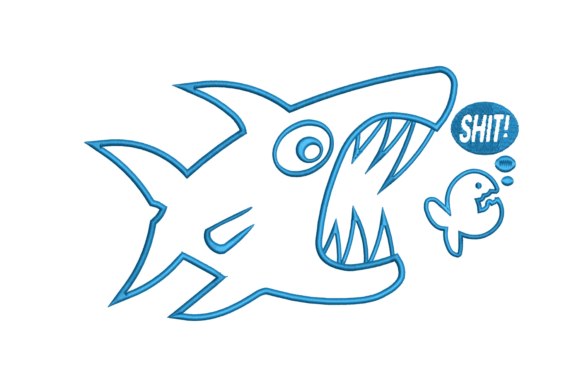
When I opened the Cute Shark Embroidery Design file, what struck me first wasn’t technical precision—it was personality. This isn’t a predatory marine silhouette or a hyper-realistic fish; it’s a cheerful, cartoon-style shark with wide eyes, a generous grin, and rounded fins that radiate approachability. The shape is compact and balanced—no long tails or thin protrusions that risk snagging or distortion on fabric. It reads clearly at 3–4 inches tall, making it ideal for kids’ apparel, beach totes, and nursery decor without needing visual decoding. As a designer who regularly selects embroidery files for client projects, I immediately pictured it stitched onto a soft organic cotton baby onesie or a linen tea towel for a seaside café pop-up.
Real-World Use: Where This Design Truly Shines
Last week, I prepped a custom embroidered tote bag order for a local children’s boutique—ten bags, each with a different ocean-themed design. The Cute Shark Embroidery Design stood out because it held up beautifully across varied fabric types: medium-weight canvas, brushed cotton twill, and even a lightweight recycled polyester blend. On the tote, it landed with crisp satin-stitched outlines and smooth fill-stitch cheeks—no puckering, no thread nesting. Customers loved how it looked in person: not “cute” in a cloying way, but genuinely warm and engaging. That emotional resonance matters—especially for handmade products meant as personalized gifts or boutique merchandise.
I also tested it on a structured cotton cap. Because the shark’s head faces forward and its proportions are intentionally simplified (no fine gills or layered teeth), it avoided the common pitfalls of curved-surface embroidery—distortion, stretching, or lost detail. For small shop owners and Etsy sellers, this reliability means fewer reworks, faster turnaround, and more confident listings. Whether you’re selling embroidered sweatshirt embroidery for summer camps or baby embroidery for gender-neutral nursery sets, Cute Shark Embroidery Design delivers consistent charm without demanding advanced digitizing expertise.
Where to Proceed With Thoughtful Caution
This design excels in clarity—but like any machine embroidery design, it has natural boundaries. On very thin fabrics (think lightweight rayon or sheer voile), the stitch density may show through or cause shadowing unless paired with appropriate cutaway stabilizer. On highly textured surfaces—like terry cloth towels or bouclé knit sweatshirts—I recommend stitching a test swatch first: the smile and eye details hold up well, but dense fill areas can flatten into subtle blobs if tension or stabilizer isn’t dialed in.
It’s also not optimized for ultra-small hoop sizes under 3 inches. While the overall shape is compact, the smile curve and fin contours rely on smooth satin-stitch transitions that need breathing room. If you’re planning embroidered patches or tiny cap front logos, verify the smallest recommended size before scaling down. And though it works beautifully on dark fabric (especially with high-contrast thread colors like white or neon yellow), avoid pairing it with overly busy prints—the friendly shark needs clean visual space to land.
Design Assets That Build Trust—Not Just Aesthetics
What makes Cute Shark Embroidery Design especially valuable for craft business owners is how it supports professionalism *beyond* the stitch. Its clean lines translate well into printable mockups for Etsy listings or social media previews—no fuzzy edges, no confusing negative space. When customers see a sharp, joyful shark on your product photo, they intuitively trust the quality of your finished product. That perception directly affects buyer engagement, repeat orders, and word-of-mouth referrals.
For holiday embroidery or wedding gifts (think “Shark Week” party favors or coastal-themed bridal shower towels), it adds lighthearted recognition without feeling gimmicky. And because it avoids dated trends—no glitter effects, no trendy fonts, no overused tropes—it stays fresh across seasons. That longevity matters when you’re curating digital embroidery files for resale or building a cohesive brand library.
Practical Designer Notes You’ll Actually Use
- Always test on scrap fabric first—especially if stitching on stretchy knits or layered garments like reversible aprons.
- Review thread color contrast carefully: This design relies on expressive features (the smile, eyes), so low-contrast combos (e.g., light gray on heather charcoal) may mute its friendliness.
- Check stitch density before large-batch runs—if fill areas feel heavy on your machine, consider lightening density slightly for delicate fabrics.
- Confirm hoop size compatibility with your embroidery machine’s standard hoops; don’t assume it fits a 4x4 without verifying.
- Inspect small details in black-and-white mockups—this helps anticipate how it will read on dark fabric or in grayscale product photography.
- Use proper stabilizer: Medium-weight cutaway for knits, tear-away for stable wovens, and fusible + tear-away for lightweight linens.
- Verify licensing terms before selling finished items commercially or reselling the digital embroidery file—rights vary by seller.
A Design That Fits Real Work—Not Just Catalogs
The Cute Shark Embroidery Design doesn’t try to be everything. It doesn’t mimic photorealism, nor does it lean into minimalist abstraction. Instead, it occupies that sweet spot between character and craft: expressive enough to spark joy, structured enough to stitch reliably, and versatile enough to live across categories—from baby embroidery to commercial embroidery for boutique branding. As someone who evaluates hundreds of embroidery files yearly, I appreciate when a design respects both the machine’s limits and the maker’s time. This one does.
If you’re choosing embroidery design assets for an upcoming craft fair, launching a line of ocean-themed kitchen towels, or simply refreshing your Etsy shop’s bestsellers, keep this one in rotation. It’s not flashy—but it’s dependable, memorable, and quietly effective. And in the world of handmade product and custom apparel, that kind of quiet strength is exactly what builds lasting customer trust.