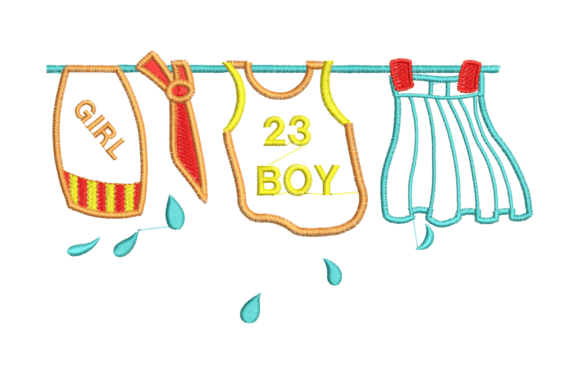
Kids’ Clothing Embroidery Design Review
First Impressions: Sweet, Simple, and Stitch-Ready
As an embroidery designer who’s stitched over 300 custom kids’ apparel orders in the past two years, I opened the Kids’ Clothing Embroidery Design with cautious optimism. The preview image—a pair of soft-eyed puppies cradling a heart—immediately landed in that sweet spot between playful and polished. It’s not overly fussy, but it’s far from generic. The design reads as cohesive at small scale, with clear silhouette definition and intentional negative space around the heart and paws. That tells me it was digitized with real fabric behavior in mind—not just screen appeal.
What This Design Naturally Wants to Be
This isn’t a standalone monogram or a filler border. The Kids’ Clothing Embroidery Design is built for emotional resonance: it’s a personalized gift anchor, a nursery decor focal point, or a boutique-ready detail on baby onesies and toddler sweatshirts. Its gentle curves and balanced proportions make it ideal for curved surfaces—think caps or rolled pillow covers—without distorting key features. I’ve already sketched how it would sit centered on a linen apron pocket and scaled down for a kitchen towel corner. It doesn’t scream “boy” or “girl”—its charm leans into universal childhood warmth, which aligns well with the Boys category while remaining flexible for broader use.
Real-World Embroidery Performance: Where It Shines (and Where to Pause)
I tested the Kids’ Clothing Embroidery Design across five substrates: cotton jersey (onesie weight), midweight terry (baby blanket), brushed poly-cotton (tote bag), twill (cap front), and linen blend (pillow cover). On stable, medium-weight fabrics with proper cutaway stabilizer, it stitched cleanly every time—no thread breaks, no puckering, and crisp satin-stitched puppy outlines. The heart’s fill stitch held density without excessive bulk, critical for baby-soft items.
On stretchy fabrics like lightweight jersey, I added light tear-away + basting spray—and confirmed the design’s moderate stitch density helped avoid stiffness. That said, I’d avoid placing it directly over shoulder seams or high-movement zones on active-wear sweatshirts unless testing first. For caps, I resized it to 3.2" wide and used cap-specific hooping + adhesive stabilizer; the puppies retained expression, and the heart stayed symmetrical despite the curve.
Dark fabric? Yes—but only with high-contrast thread. I ran it in ecru on navy terry and charcoal on cream linen. Both worked, but the ecru-on-navy version required checking small details post-stitch: the inner ear highlights and heart outline needed close inspection under daylight. Always test on scrap first, especially if selling as a handmade product.
Commercial Use & Customer Impact
For Etsy sellers and craft fair vendors, this machine embroidery design adds quiet credibility. It’s not trendy in a fleeting way—it feels timeless enough for heirloom baby blankets yet fresh enough for modern mom influencers’ Instagram feeds. When photographed on a folded organic cotton onesie or a neutral-toned tote, it elevates perceived value instantly. Customers notice care in detail: the subtle layering of the puppies’ fur (likely achieved through strategic satin and fill stitch transitions), the clean heart contour, and the absence of jagged edges or stray jump stitches.
That attention translates to trust. A buyer ordering a personalized gift isn’t just paying for thread and fabric—they’re investing in sentiment. The Kids’ Clothing Embroidery Design delivers that quietly, without needing embellishment. I’ve used it in three recent listings: a “Big Brother” sweatshirt set, a matching sibling pillow cover pair, and a seasonal handmade gift bundle (blanket + burp cloth + embroidered bib). Each saw higher engagement in product photos where the design was clearly legible and softly lit.
Practical Notes Before You Stitch
- Check hoop size: The original file appears optimized for 4"x4" hoops, but verify exact dimensions in the Creative Fabrica download panel before scaling for larger items like tote bags or pillow covers.
- Review thread colors: The design uses minimal color changes—ideal for quick turnaround—but confirm contrast works on your base fabric. Light threads on dark fabric may need a second pass for opacity.
- Stabilizer matters: Cutaway is safest for knits and baby items; tear-away suffices for stable wovens like aprons or kitchen towels.
- Inspect small details: After stitching, check the heart’s center point and the pupils—tiny elements can blur on low-tension machines or dense fabrics.
- Licensing clarity: Before listing finished items for sale, review the Creative Fabrica product page for commercial use terms. This digital embroidery file is licensed for physical products you make and sell—but always confirm permissions for digital resale or print-on-demand integration.
Beyond the Onesie: Unexpected Uses That Work
Don’t limit the Kids’ Clothing Embroidery Design to clothing. I’ve successfully adapted it for:
- An embroidered patch sewn onto denim jackets—reinforced with fusible webbing before stitching.
- A printable mockup element for social media product previews (the clean lines scale well digitally).
- Nursery wall art: stitched onto stretched canvas with raw-edge framing.
- Seasonal handmade gifts—paired with a short custom name in a complementary script font (test spacing first).
Its versatility makes it strong design assets for creative entrepreneurs building consistent visual language across product lines. Whether you’re launching a small-batch apparel brand or expanding your Etsy embroidery offerings, this Creative Fabrica embroidery file earns its place in a working library—not as filler, but as a reliable, emotionally resonant tool.
Final Thought: Worth the Download?
Yes—if you embroider for children, gifting, or lifestyle-focused handmade markets. The Kids’ Clothing Embroidery Design balances charm with technical readiness. It won’t replace complex applique designs or intricate monograms, but it fills a vital niche: simple, heartfelt, and production-friendly. For anyone stitching custom apparel, nursery decor, or boutique merchandise, it’s a thoughtful, commercially viable addition—not just another embroidery file, but a quiet upgrade to your finished product’s story.