Dual Flower Branch Embroidery Art
First Impressions: Nature, Nuance, and Quiet Confidence
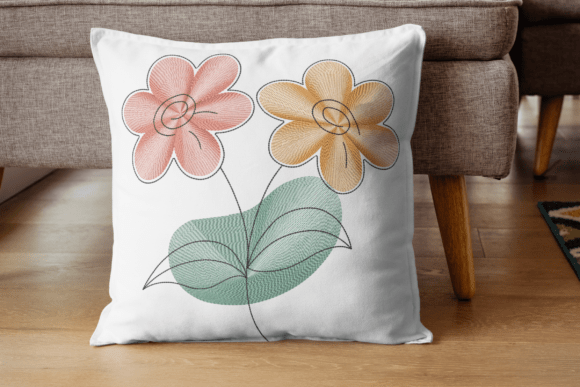
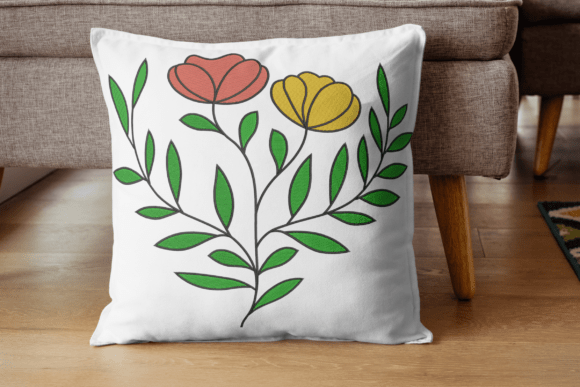
As an embroidery designer who’s stitched for boutique brands from Portland to Porto, my first glance at Dual Flower Branch Embroidery Art landed like a breath of spring air—light, intentional, and quietly confident. It’s not loud or maximalist; it’s a refined botanical gesture: one red flower, one yellow flower, cradled by a lush green leafy stem. The layout feels organic—not symmetrical, but balanced—like something you’d find sketched in a gardener’s journal and then translated into thread with care. There’s elegance in its restraint: no filler motifs, no overworked petals. Just two distinct blooms sharing space on a single, flowing branch. That tells me this is a machine embroidery design built for clarity, not clutter.
How It Lives on Sweatshirts: Texture, Tone & Placement
This isn’t just a floral motif—it’s a versatile storytelling device for custom apparel. On a heavyweight neutral sweatshirt (think oatmeal or heather grey), Dual Flower Branch Embroidery Art reads as elevated casual—feminine without being fussy, modern without losing warmth. On charcoal or navy fabric, the red and yellow pop with gentle authority, while the green stem grounds the composition so it never feels jarring. Pastel sweatshirts? Delightful. A blush hoodie lets the yellow bloom sing, while the red adds just enough contrast to keep it grounded. And yes—it works beautifully oversized. The branch’s natural curve follows the drape of an oversized hoodie chest placement, and its vertical flow makes it equally compelling on sleeve accents or centered across the back.
Mood Mapping: What This Design Communicates
Dual Flower Branch Embroidery Art lands firmly in the “modern elegant” lane—but with soul. It’s not sterile minimalism; it’s handmade product charm with precision stitching. It leans feminine, yes—but in a way that feels inclusive, earthy, and quietly strong. Not rustic (no burlap texture or rough-stitch effects implied), not playful (no cartoonish curves or exaggerated proportions), and definitely not bold or graphic. It’s decorative, yes—but thoughtfully so. Think curated lifestyle brand, not seasonal trend-chaser. For a small shop product, that distinction matters: it builds visual recognition without shouting.
Practical Realities: Will It Stitch Well on Real Sweatshirts?
Here’s where experience kicks in. Sweatshirt embroidery demands respect for fabric texture and weight. A plush fleece interior and dense knit exterior mean stabilizer choice is non-negotiable—medium-weight cutaway or tear-away + topping for crisp detail on the petals. Thread colors matter deeply: the red must be rich but not fluorescent; the yellow warm but not neon; the green deep enough to hold its own against heathered fabric. If the original embroidery file uses thoughtful color layering (e.g., satin stitch petals over fill-stitched centers), stitch density will likely sit comfortably between 8,500–12,000 stitches—dense enough for durability, open enough to avoid puckering on stretchy knits.
Small-size readability? Critical. At 3.5"–4.5" wide (a typical chest placement), those flowers need clean edges and defined stems. No bleeding, no fuzzy transitions. If the design holds up cleanly at that scale, it’s production-ready. Hoop size? Likely fits a 4"x4" or 5"x7"—ideal for quick turnarounds in small-batch commercial embroidery. And durability? With proper digitizing and stabilizing, this design should withstand repeated washing—no fraying petals, no loosening stems—essential for a boutique brand building trust through quality.
Why This Design Elevates Your Brand—Beyond the Stitch
In a crowded Etsy marketplace, Dual Flower Branch Embroidery Art does quiet heavy lifting. It signals intention. It says, “We chose this flower, this branch, this balance—not a generic rose or clipart daisy.” That intention translates directly to perceived value. Customers don’t just buy a sweatshirt—they buy a feeling: grounded, gentle, artful. That emotional resonance strengthens brand identity, especially when used consistently across collections (e.g., matching sleeve accents on crewnecks, back designs on relaxed tees).
For Etsy sellers and handmade business owners, this design also shines in lifestyle photography. Its natural asymmetry invites soft lighting and organic styling—think linen napkins, dried lavender sprigs, sunlit studio corners. It looks equally authentic in a printable mockup and on a real garment, bridging digital presentation and tangible craft. And because it sits in the Single Flowers category but feels anything but singular, it avoids cliché while still fitting expected search behavior—“botanical embroidery,” “floral hoodie design,” “nature-inspired sweatshirt”—all align naturally.
What You Should Verify Before Production
This review is based on the mood, structure, and intent described in the product copy: *“Bring a touch of nature to your creations… one red and one yellow flower with a lush green leafy stem, both modern and elegant.”* To ensure seamless execution, always confirm these practical details before stitching your first batch:
- Hoop size and recommended embroidery file formats (DST, PES, JEF, etc.)
- Stitch count range—if it’s under 6,000, detail may soften on textured fabric; over 15,000 risks density issues on fleece
- Thread color suggestions—especially whether red/yellow/green are specified as Pantone or DMC equivalents
- Licensing terms if using for commercial embroidery or resale (some digital embroidery files restrict mass production)
Remember: the magic of Dual Flower Branch Embroidery Art lives in its duality—not just red and yellow, but nature and polish, simplicity and sophistication, digital precision and handmade soul. When stitched right, it doesn’t just decorate a sweatshirt. It invites pause. It whispers care. And for a small clothing brand or creative entrepreneur, that whisper often becomes the voice customers remember.